


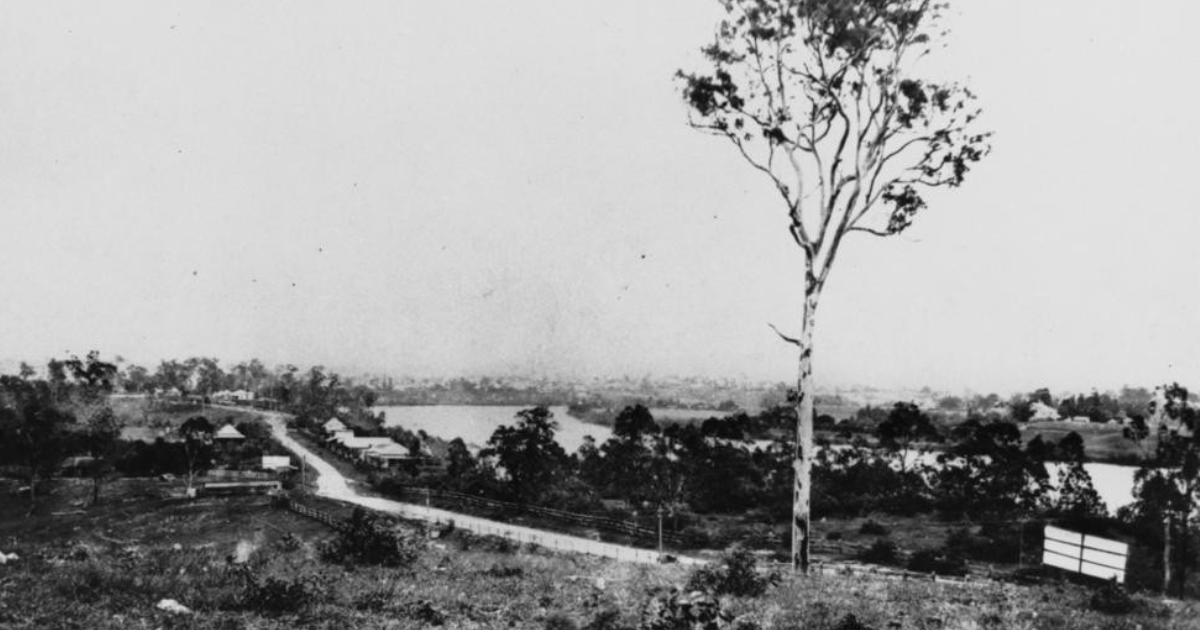
Did you know that the first main subdivision of real estate
in Norman Park occurred in 1887? Find out what happened during the
public auction of the first section of Norman Park Estate.
Read: Meet the Man Who Once Built a House Atop Galloway’s Hill in Hawthorne
On 12 March 1887, around 800 people from Hart’s Wharf in Eagle Street
came to the auction site, riding ‘Kate,’ a paddle-wheel steamer
especially designed for Brisbane’s bay and river trade.

Rain began to fall on the day of the Norman Park Estate auction, which reduced the number of attendees to 50-60.
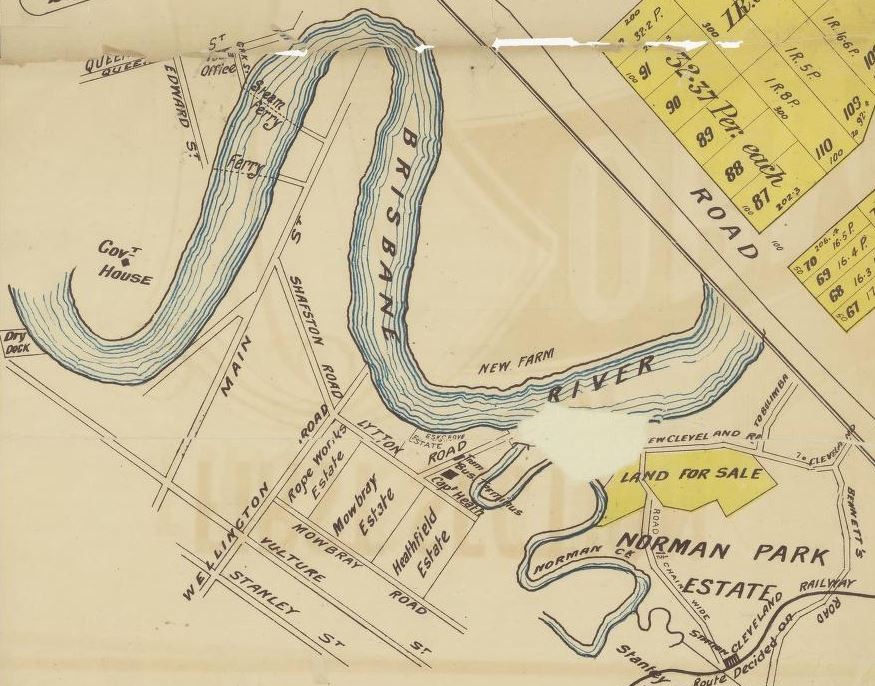
The allotments included parts of Brentnall Street, Agnew Street,
Kingsbury Street, Overend Street, Moreton Street, Norman Crescent,
Norman Avenue, Donaldson Street, Short Street (now Bodalla Street) and
Wynnum Road (listed as Cleveland Road).


Around 115 out of 300 allotments were sold during the first public
auction led by auctioneer R J Cottell, with the prices ranging from £105
to £202 each.
The advertising for the estate described it as “splendid building sites of all shapes and sizes calculated to suit the tastes and pockets of all classes of the community, being situated on the hilltop, on the beautiful slopes, on the flat, and on the creek.”


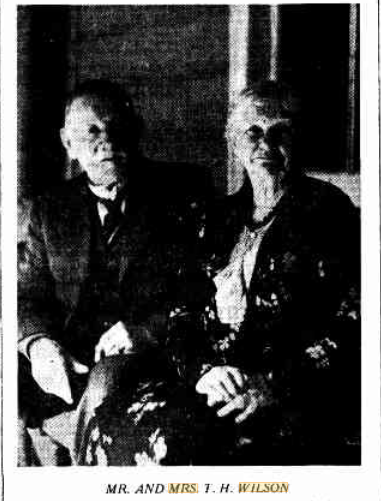
One of the buyers of land at Norman Park Estate was renowned
businessman Thomas Henry Wilson, who initially purchased subdivision 117
and later added subdivision 116 to his parcel in 1902. He also bought
three more lots where he built his foundry business, the Wilson Waratah
Metal Company.
‘Lozelles,’ an elegant, Victorian style residence, originally constructed for Mr T H Wilson and his wife Elizabeth in 1888, was one of the first houses built in the suburb.


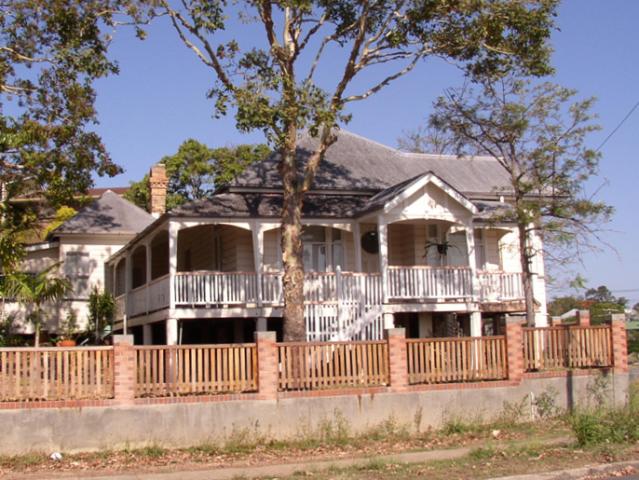
The house, which still stands to date, has been a local heritage
place since 2011 because of its association to the Wilson family.
When Mr T H Wilson died in 1944, the property and the foundry were passed to his four sons.
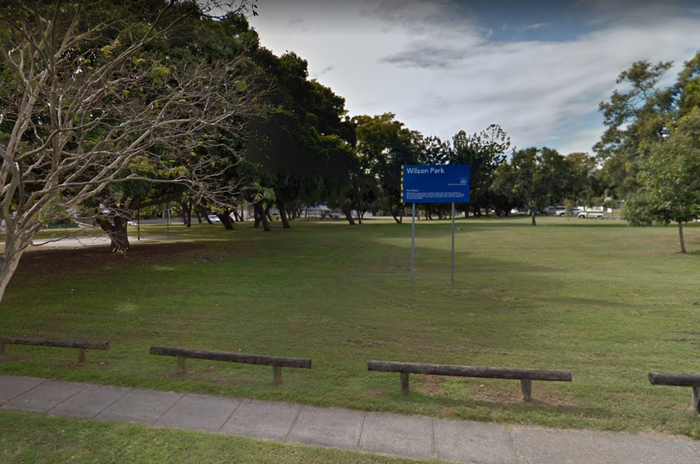
Wilson Park, which was built opposite Lozelles, was named after Mr T H Wilson, because of his lengthy association with the area.
At the time, settlement had not been rapid in the suburb, mainly
because of the slow development in the area. The local station for the
railways was constructed only in 1911, almost two decades after the
service had been built through the district.
The 1893 floods in Brisbane was also one of the reasons why
development in Norman Park almost ceased. It was also called the “Black
February flood,” because three major floods occurred in the same month.
Read: Half-Burned Hawthorne Queenslander Sells for $1.25 Million
Norman Park’s population was low before and during the First World
War. At the time, most of the industries in the suburb included leather,
dairy farming, and brooms. The suburb only experienced rapid growth
after the Second World War, when public housing was established in the
area.